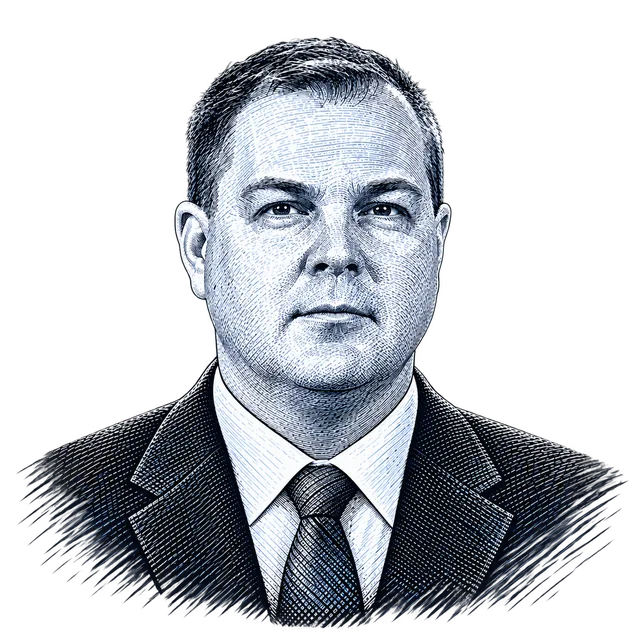
Republican · Washington's 3rd District · 2026
John Braun
Braun and his wife, Marlo, raised four children on a small farm outside Centralia.
Biography
John Braun and his wife, Marlo, have four adult children and live on a small farm outside Centralia. Three of their children followed him into military service as Navy or Marine Corps officers.1 His other family enterprise is Braun Northwest, the Chehalis company that builds emergency vehicles.2
Braun earned an electrical engineering degree at the University of Washington and master's degrees in business and manufacturing engineering at Michigan.2 His Navy career stretched across 31 years of active and reserve service, ending at captain. His final assignment was directing the Submarine Force's Reserve Component.1 His community work has included board service with Providence Centralia Hospital and the Centralia College Foundation.2
He entered Washington's Senate in 2013 and became Republican leader in 2020.1 As budget chairman, he helped negotiate the 2017 operating budget and its school funding changes. He also sponsored the 2015 College Affordability Program, which reduced tuition at public colleges and universities.2
His congressional campaign emphasizes reducing household costs, supporting American manufacturing, securing the border and maintaining a strong military. Braun says he wants to work with President Trump and bring his business and budget experience to Congress.1 He faces Democratic incumbent Marie Gluesenkamp Perez, whose own working background includes running an auto repair shop, for Southwest Washington's Third District seat.3
Record and controversies
Defense of redistricting appointment
In February 2021, women's and sexual assault advocacy groups criticized Senate Republicans for appointing former state senator Joe Fain to Washington's redistricting commission. Fain had been accused of rape, an allegation he denied. The groups called for an investigation and his resignation from the commission.4
Braun, then Senate Republican leader, defended the appointment and characterized the allegation as a political attack during Fain's earlier campaign. He also criticized a reporter for raising the issue. The report described a planned Senate inquiry that did not proceed after Fain lost reelection, rather than a completed investigation establishing what happened. Braun's role in this dispute was his defense of the appointment and his response to the criticism.4