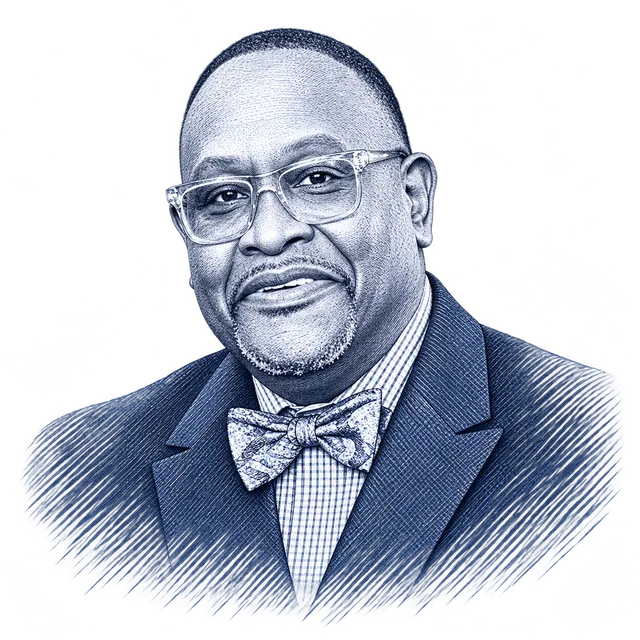
Democrat · Texas's 14th District · 2026
Thurman Bartie
Bill Bartie sang as a featured soloist in Prairie View A&M's a cappella choir before building a working life that included funeral directing, teaching and preaching.
Biography
Thurman “Bill” Bartie sang as a featured soloist with Prairie View A&M’s a cappella choir while studying political science.1 The longtime Port Arthur resident is also a parent and grandparent whose working life has included a funeral home, a high school classroom and a Baptist pulpit.1
He earned a bachelor’s degree in political science at Lamar University and studied mortuary science at the Commonwealth College of Mortuary Science in Houston, becoming a licensed funeral director and embalmer.1 He worked at Hannah Funeral Home and taught American Government and Street Law at Memorial High School.1 His biography also lists a master’s degree in ministry and three years as pastor of First Sixth Street Baptist Church.1
Bartie was elected justice of the peace for Jefferson County’s Precinct 8 in 1994.1 Port Arthur voters elected him mayor in 2019, and he served two terms that included the COVID pandemic and severe weather emergencies.1 He is now the Democratic candidate facing Republican incumbent Randy Weber for Texas’s 14th Congressional District.2
His platform emphasizes job training, support for small businesses, investment in teachers and more resilient infrastructure for a region exposed to floods and hurricanes.3 He also advocates strengthening the Affordable Care Act, rolling back tariffs and removing barriers to housing construction as ways to address household costs.3
Record and controversies
Judicial removal and bar
In April 2004, a Texas judicial review tribunal ordered Bartie removed as justice of the peace and permanently barred him from judicial office in the state; he had resigned in December 2003.45 The tribunal ruled that his repeated use of obscene and abusive courtroom language alone justified the sanction.4 Bartie challenged the evidence and argued that the commission was biased; the tribunal rejected those challenges, while recording his denial of some incidents and his belief that strong language helped him reach litigants.4 The order concerned Texas judicial office.4