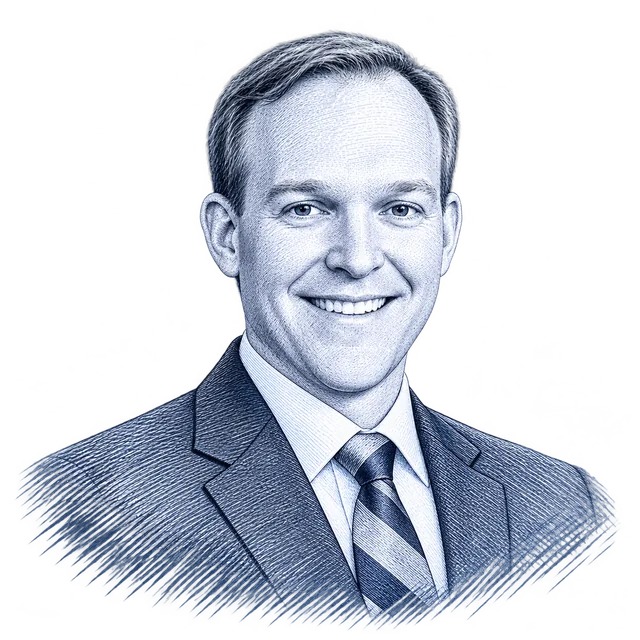
Democrat · Utah's 1st District · 2026
Ben McAdams
McAdams grew up in West Bountiful, one of six children raised by a schoolteacher mother.
Biography
Ben McAdams grew up in West Bountiful as one of six children raised by a schoolteacher mother. He credits her with teaching him to value education and public service.1 He and his wife, Julie, have four children and live in Salt Lake County.2
Both attended Columbia Law School. He began as a corporate finance lawyer in New York before returning to Utah as their family grew.1 McAdams went on to serve in Utah's Senate, as Salt Lake County mayor and in Congress from 2019 to 2021, representing the former Fourth District.2
As mayor, he worked on county budgets and partnerships expanding preschool access.1 Since leaving Congress, housing affordability has become a major focus through the Common Ground Institute and National Housing Crisis Task Force, including ways to use public land for more affordable homes.2
His current campaign emphasizes housing, health costs, preserving the Great Salt Lake and protecting retirement benefits. He supports maintaining the Affordable Care Act and combining border security with legal immigration pathways.2 McAdams is competing with Republican Riley Owen in the newly redrawn First District. Libertarian Jesse West and unaffiliated Elias Henry Montgomery are also on the ballot.3
Record and controversies
Data center investment and water policy criticism
McAdams' May 14, 2026 candidate disclosure listed Fibernet MercuryDelta units valued at $1,001 to $15,000.4 The Salt Lake Tribune identified the investment with the Creekstone project near Delta and reported criticism from his primary opponents about a potential conflict of interest. McAdams said the equity was payment for consulting on the project's clean energy component, and contrasted it with the separate Box Elder project he opposed.5 His account of the project's benefits should be attributed to him; the report noted planned natural gas generation and cooling that uses less water but more power.5 The criticism is not a regulatory finding of an unlawful conflict.