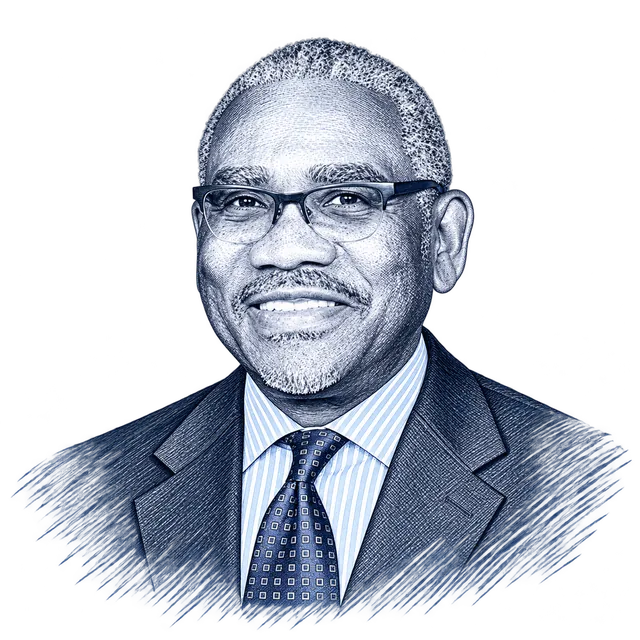
Democrat · New York's 5th District · 2026
Gregory Meeks
Meeks roots for the Knicks, Giants and Mets.
Biography
Gregory Meeks roots for the Knicks, Giants and Mets, and his family includes three daughters and grandchildren.1 His own childhood was in East Harlem public housing, after his family moved north from Rock Hill, South Carolina.1 He earned a history degree at Adelphi University and a law degree at Howard.1
Before Congress, Meeks worked as a Queens assistant district attorney, an assistant special narcotics prosecutor and deputy counsel to the state investigation commission.2 He also served as a supervising judge on New York's Workers' Compensation Board before entering the State Assembly.2 He won a special election to the House in 1998.2
Today, he is the Democrat seeking another term in the 5th District.3 He is the senior Democrat on Foreign Affairs and previously chaired that committee, becoming its first Black chair in 2021.1 He also serves on Financial Services, including its capital markets and financial institutions subcommittees.4
His congressional record includes helping write provisions of the 2010 Wall Street reform law that created offices of minority and women inclusion at financial regulators.1 He has also introduced legislation requiring public companies and government contractors to disclose the demographic makeup of corporate boards.1 His stated priorities include strengthening the Affordable Care Act and pursuing foreign policy through cooperation and coalitions with other countries.1
Record and controversies
Historical loan disclosure case
In its December 2012 report, the House Ethics Committee found that Meeks failed to disclose a $40,000 personal loan on his 2007 and 2008 financial statements, violating disclosure requirements.5 Meeks acknowledged the omission, called it an inadvertent oversight and amended the forms.5 The committee found no evidence that the omission was knowing, willful or in bad faith, and closed that part of the investigation with no further action.5
It also closed the separate allegation that the money was an improper gift, finding the evidence insufficient to establish that claim.5